
Philanthropy Hub at its first Philanthropy Forum
with the Indiana University Lilly Family School
of Philanthropy as one of its inaugural Knowledge
Partners.
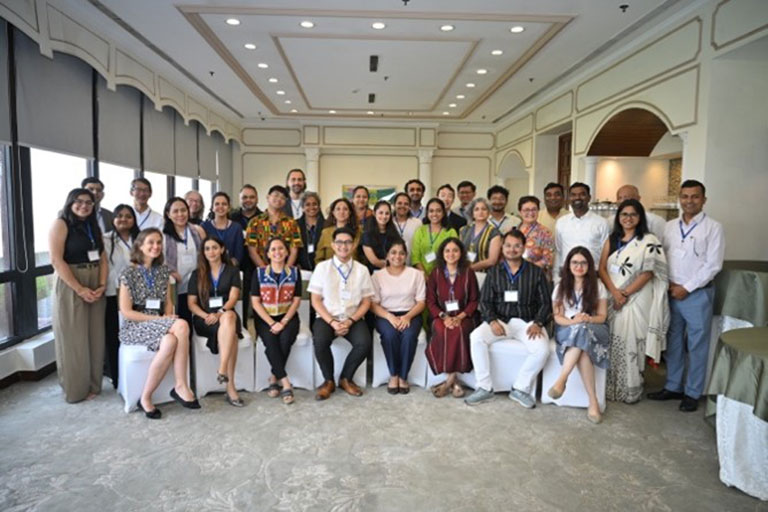
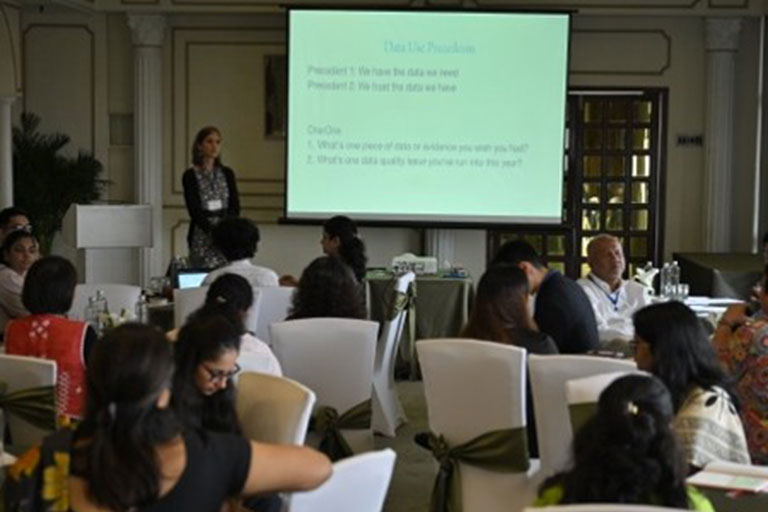
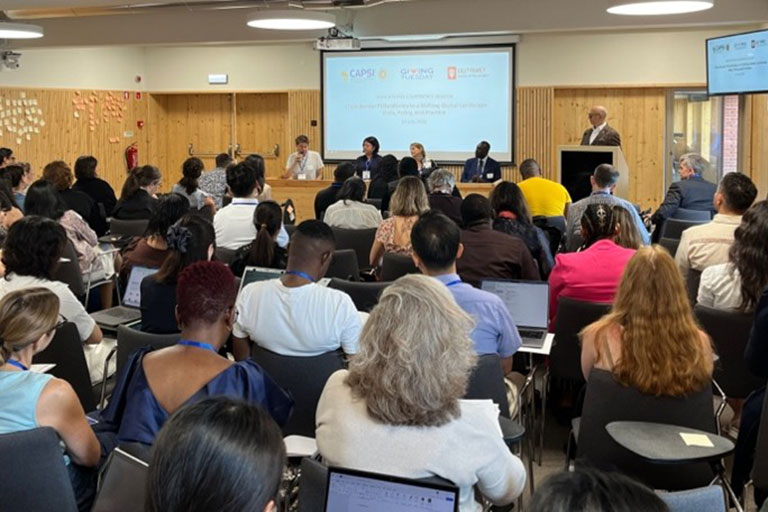
The Indiana University Lilly Family School of Philanthropy is one of the inaugural Knowledge Partners of the World Bank Group (WBG) Philanthropy Hub. The WBG launched the Hub on 12 October 2026 at its first Philanthropy Forum, held during the WBG–IMF Annual Meetings in Bangkok. More than 200 leaders from foundations, networks, family offices and development institutions took part.
The Hub is designed as philanthropy's single front door to the WBG. It aims to connect good ideas to capital and move proven pilots to scale. WBG President Ajay Banga described it as a platform where philanthropy can "invest in answers at scale." Rockefeller Foundation Executive Vice President Elizabeth Yee called it an opportunity for ecosystem members to come together to co-create solutions to shared challenges. WBG Chief Knowledge Officer, Paschal Donohoe, said the Hub "will connect ideas, resources and partners to take those solutions to scale."
Key Design Ideas
- Country-led priorities. Each country shares their vision (e.g., top five priorities). Those priorities become the shared agenda.
- Each partner plays to its strengths. Connecting the World Bank Group with government and philanthropy is viewed as a multiplier, with each contributing their comparative advantage.
- Simpler systems and shared measurement. Partners will need to build trust and agree on shared frameworks (e.g., mutually agreed frameworks for due diligence, KYC, measurement, and co-financing).
Knowledge Partners will contribute research, practical experience, regional insight and specialist advice. In addition to academic institutions, knowledge partners include research institutes, philanthropic networks, and consulting firms. In addition to our school, fellow Knowledge Partners include LSE’s Marshall Institute, Bridgespan Group, Boston Consulting Group, the Centre for Asian Philanthropy and Society (CAPS), Dalberg, Latimpacto, Coefficient Giving and the Mo Ibrahim Foundation. Our shared objective, as members of the Hub, is to connect knowledge to action in countries and communities.
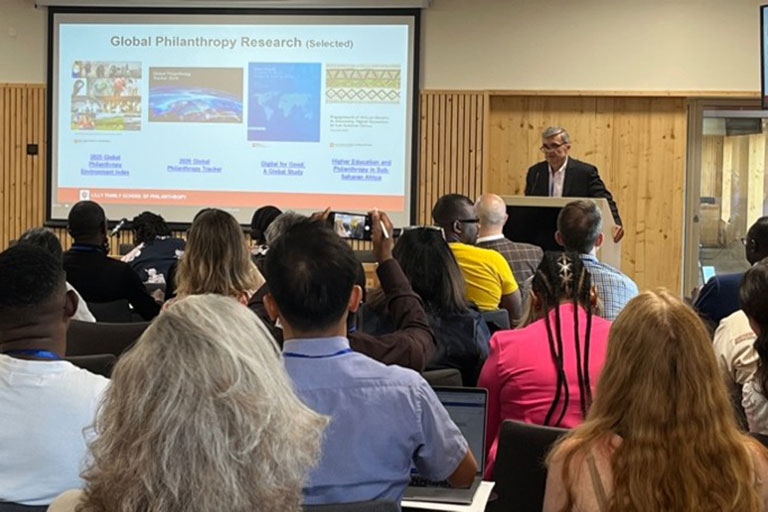
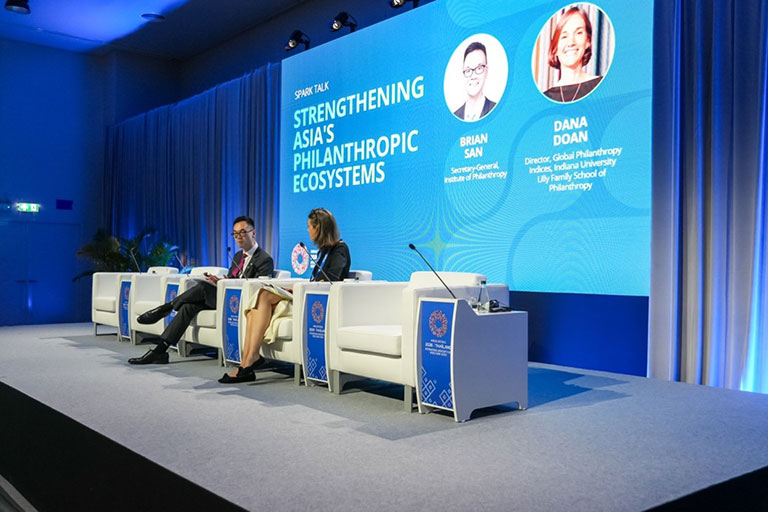
At the Forum, Dr. Dana R.H. Doan, Director of the School's Global Philanthropy Indices, facilitated a spark talk with Brian San, Secretary-General of the Institute of Philanthropy and Co-Convenor of the Commission on Asian Philanthropy. Their talk focused on findings and implications of the Commission’s newly released report, which explores the nature, scale, and future potential of Asia’s philanthropy ecosystems. Key insights from the report and their conversation:
- Definitions matter. Global North definitions focus on philanthropy that is private and voluntary while the Commission counts public discretionary spending and faith-required giving. That wider lens revealed five models of giving: community-led, faith-based, state-led, corporate-led and UHNWI-led.
- Philanthropy in Asia is more than money. Trusted local networks, social capital, corporate assets, legitimacy and patient commitment often matter as much as financial contributions. As we know, that lesson applies well beyond Asia.
- Learning from Asia’s "billion-dollar ideas". Six of the report's 12 growth playbooks describe models generating over USD $1 billion a year. Examples include mass digital giving in China, India's mandatory CSR, and the institutionalization of zakat in Indonesia.
- Building philanthropy ecosystems in Asia. The growth playbooks reveal the important role of ecosystems that support capable actors, foster connections, and provide reliable data. To foster such ecosystems, the report proposes three investments: make giving visible, share playbooks, and build platforms for collaboration.
The Commission’s call to make giving visible and to build platforms for collaboration closely mirrors the purpose of the new Philanthropy Hub. Both recognize that philanthropy achieves its greatest impact not in isolation, but when it works alongside governments, businesses, and communities, guided by shared priorities and reliable evidence. Both also point to the same need: better data on who gives, how, and to what effect, gathered in ways that reflect the diversity of giving across regions.
The Lilly Family School of Philanthropy looks forward to working with Hub members and fellow Knowledge Partners to gather, share, and connect evidence that is rigorous, comparative, and grounded in local context. “Philanthropy is most effective when decisions are informed by good evidence and an understanding of local context,” said Dr. Amir Pasic, Eugene R. Tempel Dean of the IU Lilly Family School of Philanthropy. “As a Knowledge Partner, our School looks forward to sharing our research, learning from the Hub’s members, and making sure the evidence we produce responds to the questions that matter most to the field.”
Link to WBG Philanthropy Hub press release: https://www.worldbank.org/en/news/press-release/2026/10/12/world-bank-group-launches-philanthropy-hub-to-unlock-capital-knowledge-and-network
Link to Commission on Asian Philanthropy’s Interrim Report: https://philanthropycommission.asia/insights-activities/new-report-finds-asias-philanthropy-is-shaped-by-everyday-giving-business-contributions-and-public-investment-with-more-than-us-1-trillion-expected-over-the-next-decade/
Link to IU Lilly Family School of Philanthropy’s Global Philanthropy Indices website: https://globalindices.indianapolis.iu.edu/index.html